Crappy "Western" TV is Good for Us
By Jennifer Hill
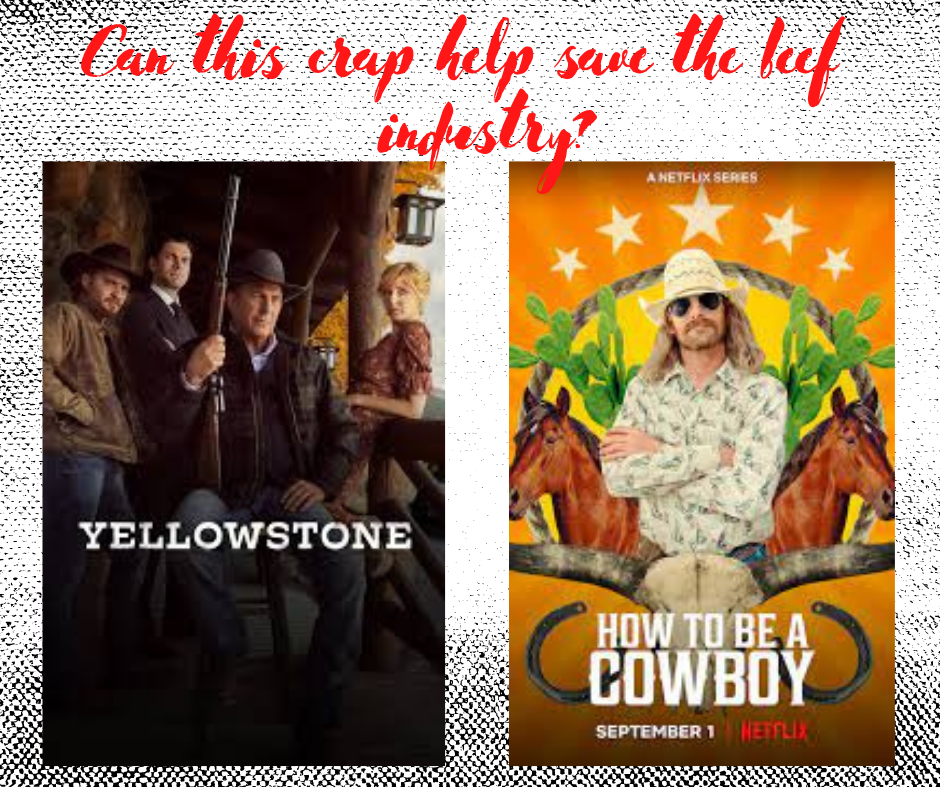
In the last few years I’ve witnessed the creation and rise of a few new absurd “western” TV shows. Shows that make many of us in the agriculture industry roll our eyes and silently curse for their ridiculous nature. They don’t accurately portray what we do and they tend to either make us look like wealthy, conniving drama queens (hello Beth Dutton and the “Yellowstone” crew) or complete imbeciles who actually spend very little time doing the real work of producing food (looking at your new show, Dale Brisby). But despite the cringeworthy nature of these shows, is it possible that they provide some very tangible benefits to the same demographic that find themselves unable to watch it?
Today’s average American is multiple generations removed from the farm or ranch. Many of them don’t even have memories of Grandma and Grandpa working in agriculture and they have almost zero idea where their food comes from or what it takes to produce it. Their opinions are often formed and are easily swayed by influencers in the media. This is not a new trend. For decades various organizations like American National Cattlewomen, Beef Checkoff, US Corn Growers and others have spent a lot of time and money on consumer outreach, pushing literature about the nature of their products and farming and ranching into schools and communities in hopes of having some voice in the conversation. They attempt to tell our story to those who aren’t living it by pumping them full of data and facts. But is anyone listening to them? A Kansas State study found that only 39% of the public said they believed that U.S. farms and ranches provide appropriate overall care to their cattle. The informational messaging alone isn’t working and it’s not surprising.
Those of us with children know that very few kids (especially those in an urban setting) are going to be interested in sitting down with Cattlewomen’s Cattle A-Z book or reading an informational activity book about western water issues. It feels too much like school and it’s just not interesting to them. Instead they want stories. They love cowboy stories like Little Britches. The pamphlets about nutrition and husbandry practices that are handed out to their parents don’t seem to help either. But their Grandparents, who were far less likely to fall for the absurd vegan propaganda about US food production, grew up falling in love with the western lore of John Wayne and Clint Eastwood. And that lore matters. Goodness knows “Chisum” was not a terribly accurate portrayal of what my range cattle outfit does, but those who grew up watching it were hard pressed not to have an inherent respect and sense of awe for the American Cowboy. I cannot tell you how many times I’ve explained what my family does to some townie and been asked if my life is like “Lonesome Dove”, snakes and all. While I internally roll my eyes at this question it is almost always asked with a tone of respect. At the end of the day these stories are far more impactful at connecting with people than any brochure.
We don’t need our consumers to deeply understand the ins and outs of ranching. What we need is for them to respect their food source and see value in its producers. We need them to feel a sense of connection to ranchers, no matter how silly their vision of us is. And we need to get that message to them in their language. This is where shows like “Yellowstone” and Brisby’s “How to be a Cowboy” come in. They don’t need to be documentary style, informative shows to help our consumers understand with what we do, they just need to help the average suburbanite feel a connection to the American Cowboy, so that when we come to them with an issue we can tap into that sense of connection.
So yes, “How to be a Cowboy” is an obnoxious disappointment. I made it exactly 6 ½ minutes into the first episode and was forced to turn it off as the new intern explained that she wanted to work for Brisby so she could learn more about real ranching, not just bull riding, as if that’s what they’re doing. And in the interest of full disclosure, I’ve never actually watched a real episode of “Yellowstone”. Seeing the nonsense in the ads was enough for me to know I’d wind up annoyed the whole time. But do I think that these shows can play a role in helping us connect with our city dwelling consumers? Definitely. Stories help us build relationships and form emotional attachments. I’ve never been a prison inmate, but watching Orange is the New Black sure made me feel more open to prison reform, whether or not it was an accurate portrayal.
If you find yourself looking for an easier to swallow representation of what we do, let me recommend the Amazon Prime Show “Clarkson’s Farm”. The reality TV show features Jeremy Clarkson (of “Top Gear”) attempting to manage his own farm. He admits he knows nothing, makes hilarious mistakes and, I believe, helps expose some of the numerous challenges agriculturalists face on a daily basis. He is connecting his audience to the struggles of farming more than any documentary or leaflet I’ve seen yet.