Conservation Easements, An Unethical Way to Limit the Future
By Jennifer Hill
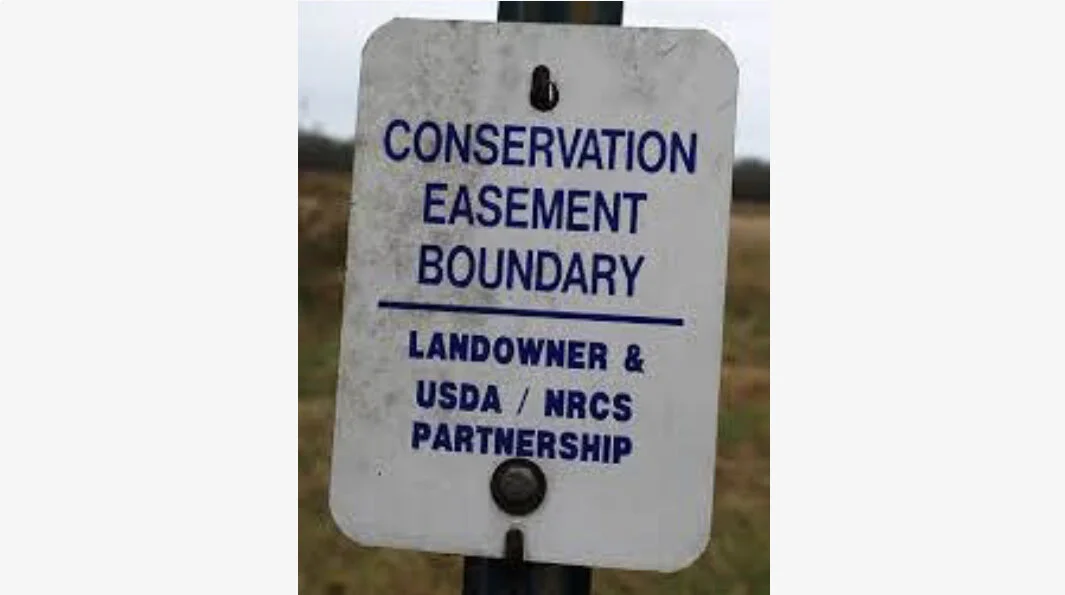
Farmers and ranchers across the nation frequently find themselves faced with a bleaker future for upcoming generations. They cannot help but worry about how they will pass their family place, what they feel is their heritage, down to the next generation in the face of Death and Corporate taxes, and continuously diminishing profits. As they grasp for a way to hold on to what they have many are turning to conservation easements as a way to reduce their taxable burden. But is locking land away from all future possibilities really ethical?
Conservation easements first made their big debut in the late 1950’s. For the next twenty years they were primarily used by the federal government to purchase and conserve scenic byways. By the 1970’s many states and the feds had passed legislation and rules to establish the easements and provide tax incentives for the program. From there the popularity of the easements grew, including in the agricultural community, as most easements allow for some levels of ag production. As of 2018 there were over 130,000 conservation easements covering 24.7 million acres in the US.
While placing land in a conservation easement provides an instant cash benefit and long term tax incentives to the current owner it also severely handicaps the next generation, both limiting their options and their wealth. Once a swath of land can no longer be developed for any reason it’s value is heavily diminished. Even once the property owner who initiated the easement is long gone the shackles on the land remain, raising questions about the ethical nature of the ability to control physical assets from beyond the grave.
Perhaps the most frightening aspect of conservation lands is the way the government loves them. Many of the larger land trust organizations have developed a very cozy relationship with the Federal Government, who encourage the these deals and then often find themselves in the position of purchasing the land later. Even President Donald Trump has generated over $100 million in write-offs through conservation easements and land trusts. In the last few years the government has made their devotion to increasing federally protected lands clear with the pushing of programs such as 30 by 30 which aims to conserve 30% of the Earth by 2030. What easier way than to purchase trust and conservation easement lands? What started out as Grandpa’s desire to evade absurdly high taxes turns into a growth in Forest Service or BLM land size.
What may have started out as a well-intended ploy to help land poor farmers and ranchers may actually be a short sided maneuver which appears to be taking a sinister direction. Agricultural producers need to ask themselves if the immediate tax benefits are really worth the long term damage a conservation easement may bring for future generations.